Snowshoeing Essentials: A Complete Winter Hiking Checklist
Snowshoeing Gear Guide: Everything You Need for Safe and Fun Winter Hiking
Snowshoeing opens up the winter backcountry in a way few sports can, and with the right snowshoeing essentials, you can stay warm, safe, and comfortable on any snowy trail. This checklist includes the exact winter hiking gear we use, layer systems that actually work, and trail-tested tips for snowshoe beginners.
Our Snowshoeing Pro Tips:
Start cool. If you’re warm at the trailhead, you’ll overheat fast once you start moving.
Layer smart. Base, mid, and outer are the holy trinity of winter comfort.
Bring the hot drink. Seriously, this one deserves repeating.
Check the forecast. Mountains make their own weather, and you don’t want to be surprised.
Tell someone your plan. Even for short trips, it’s just good backcountry sense and it could save your life.
Laugh often. Because snowshoeing is ridiculous, fun, and beautiful all at once.
There really is something magical about hiking in winter. The forest gets quiet, the air gets sharper, and suddenly every familiar trail feels brand new under a blanket of snow.
For us, snowshoeing is how we keep the adventure going when most folks hang up their boots until spring. It’s peaceful, powerful, and, honestly, kind of addictive once you get the rhythm of it.
If you’ve ever wondered how to get started or what to bring along, this guide’s for you. It’s our personal snowshoeing checklist — built from plenty of cold mornings, steaming thermoses, and the occasional “why are my fingers numb” moment. Layer up, strap in, and let’s get out in the snow!
Snowshoeing Essentials
Before you hit the winter wonderland that is the trail, it helps to dial in the snowshoeing essentials that keep you warm, steady, and moving with ease. Snowshoeing isn’t complicated, but the right setup can make the difference between enjoying yourself and fighting (and hating) every step. Over the years, we’ve learned what truly matters through trial and error. What keeps you floating on the snow, what keeps the cold out of your boots, and what turns a frozen morning into a surprisingly comfortable adventure. Here’s the snowshoe-specific gear we rely on every winter to keep the fun going long after the trails disappear under new snow.
Snowshoes
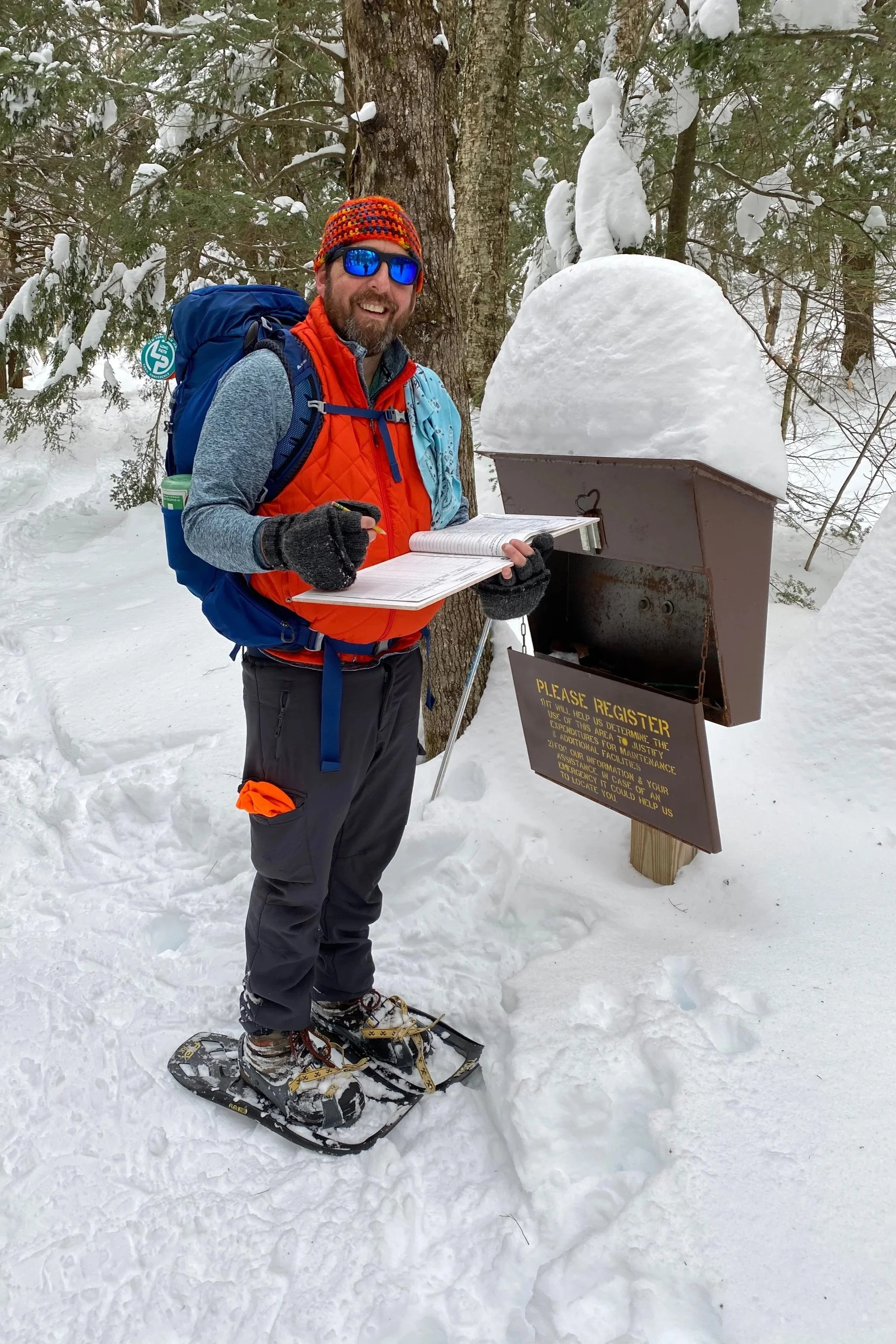
Your magic carpet for winter trails. Pick a pair of snowshoes that matches your adventures: less expensive recreational models are great for groomed paths or rolling terrain, while the more expensive backcountry models offer aggressive traction for steeper, wilder routes and off-trail adventures. Make sure the bindings on any snowshoe fit your boots snugly and adjust easily (cold fingers don’t have patience for fine tuning).
Need a little more guidance on finding the right pair of snowshoes? REI has a a great page going over the basics of choosing the right pair of snowshoes for you.
Pro Tip: Snowshoes aren’t cheap and the cost can be a real barrier to folks learning about and enjoying snowshoes. If you’re looking to get started with snowshoes, but don’t want to spend $150-$250 on a new pair of snowshoes, consider checking out a used gear shop - where you can often find lightly used snowshoes at a steep discount. You can also rent snowshoes at many locations in winter destinations (in the Catskills, the Catskills Visitor Center rents snowshoes), which is also a great way to tell if snowshoeing is something for you before you make too big of an investment.
Waterproof and Insulated Winter Boots
Cold feet are more than morale killers, no one wants frostbite. Choose waterproof boots that give your toes space to breathe while you wear thick socks. Once you have a comfortable pair of boots, find the snowshoes with bindings that work best for the boots.
There are a lot of winter boots available and we have used a multitude of pairs over the years. Our most recent boots include the Asolo Arctic GV Boots and the Merrell Thermo Chill Mid Waterproof Boots. When it comes to finding boots for us, we always look for the most comfortable, even over the warmest - be sure to bring the heavy socks you’ll use when trying on the boots because if the boot is too tight, even the best insulated boot will compress your foot, give you blisters, and make your feet feel cold.
Gaiters
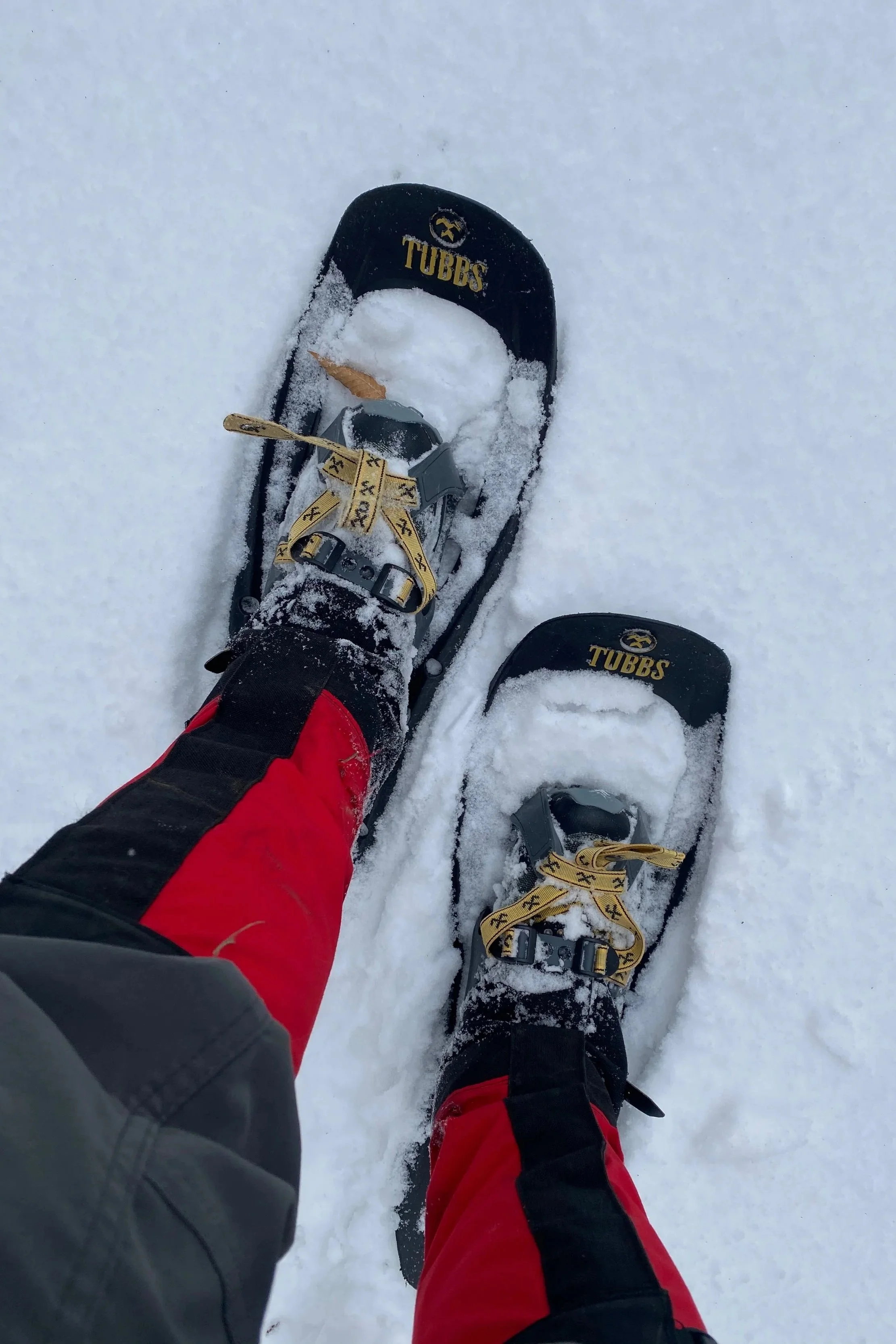
Snow down your boots and wet pant legs are the worst. Gaiters seal that gap between pants and footwear, keeping the snow where it belongs, on the ground, not melting into your socks. Like all hiking gear, there’s a large variety of gaiters available and at many different price points. An inexpensive pair is perfectly okay if you’re just trying out snowshoeing or won’t be going very often, but investing in a more robust (and more expensive pair) like the Outdoor Research Crocodile Gaiters will provide years of service (Jeff only retired his pair from the 1990s few years ago), along with better pant and boot coverage than the less expensive models.
Trekking Poles
Trekking poles with snow baskets make a world of difference. They help you stay balanced and give your arms a workout along the way. The same trekking poles you use in the summer for hiking often make the best trekking poles with snowshoes - just be sure to put on the snow baskets that come with most poles. That prevents the pole from simply sinking deep into the snow. That’s what we do with our REI Traverse Trekking Poles and our Black Diamond Trail Back Trekking Poles.
Winter Clothing
Snowshoeing is a sweaty business, even in freezing temps. Think layers: a moisture-wicking base, an insulating mid-layer, and a windproof outer shell. Wool or synthetic fabrics are your best friends. Cotton…never!
Base Layers: We lean towards wool for winter base layers and have short sleeve Smartwool Merino 150 Base Layer quite regularly and have been very happy with the performance of the wool. In colder weather (or for skiing), we have been using Smartwool’s Merino 150 Base Layer Quarter-Zip Top. While more expensive than synthetic fabrics, wool has been more durable, warm, and we feel, wicks the sweat from our wintertime activities away. Our long underwear comes from Patagonia (Capilene Midweight Base Layer Bottoms) and REI (Merino 185 Base Layer Bottoms).
Mid-Layers: Our mid-layers are often different weights of fleece depending on the activity and where we are in the hike (think thinner, and more breathable to ascend, thicker and more insulative to descend - and yes, we often change at the top of the mountain). The Patagonia R1 fleeces all make great mid-layers and almost every outdoor brand has the same waffled/weaved fleece design at many different price points.
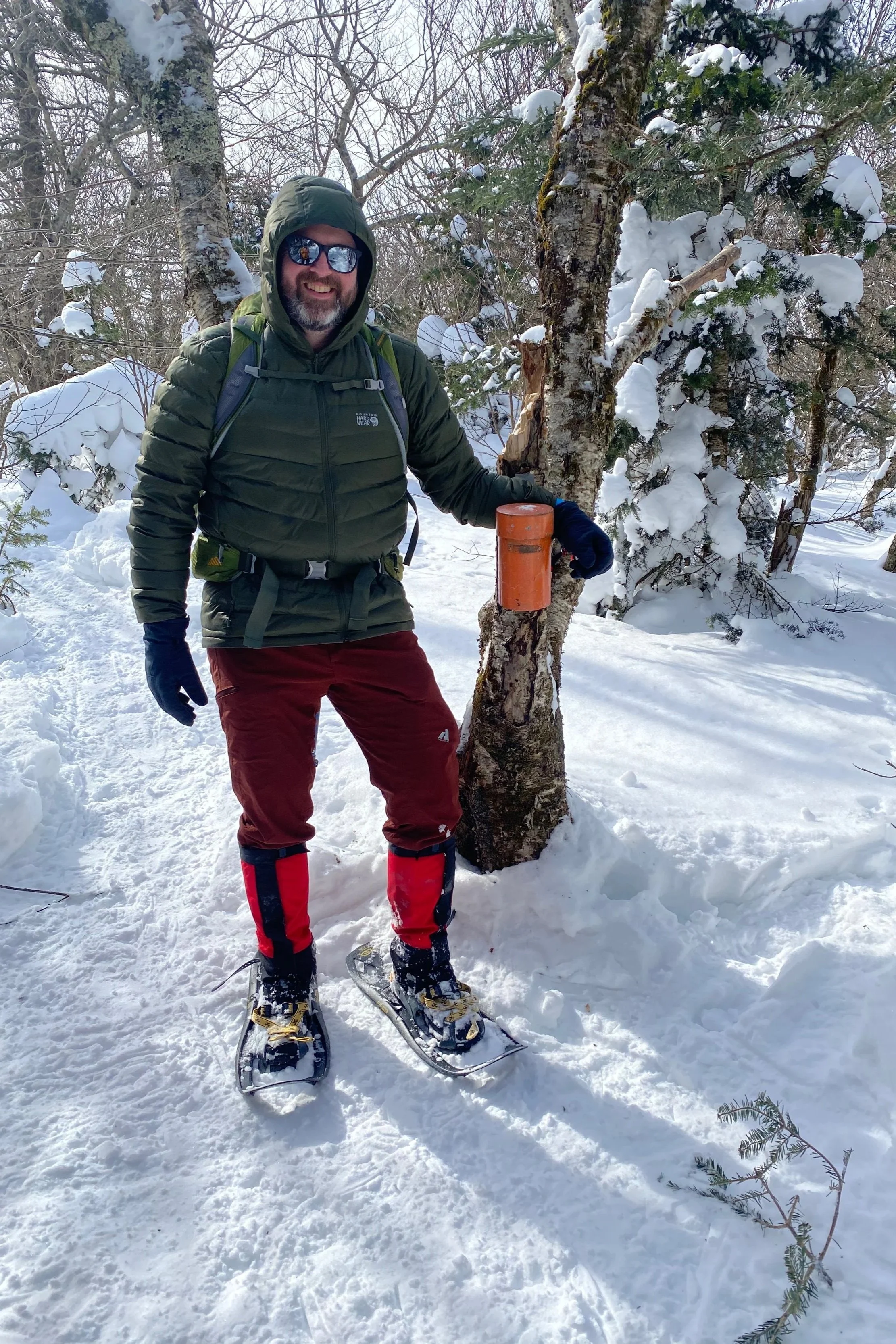
Outer Layers: Often a just a shell over your mid-layer will suffice when you are climbing and exercising hard - it will protect you from wind and falling snow, but it won’t overheat you. Shells in our closet include the Columbia Titanium Outdry Ex Reign Jacket, the Mountain Hardwear Acadia Jacket, the Marmot Precip Jacket.
We generally only wear puffies when we have stopped for a break or we’re descending and need the extra insulation because we can quickly get cold. There are a lot of choices here, but puffies we have been fond of include the Ghost Whisperer Hooded Puffy from Mountain Hardwear, the Eddie Bauer Men's MicroTherm 2.0 Down Jacket, Patagonia’s Nano Puff Jacket, and the Cotopaxi Fuego Jacket.
Socks: Don’t forget to find thicker, winter socks that provide more warmth! We’ve found that the very best in terms of comfort, durability, and customer service is hands down, Darn Tough Socks. They offer a ton of different styles, along with some great designs for those who love a pair of socks that tell a story. They also offer a lifetime warranty on their socks.
Hats and Balaclavas
The secret to winter comfort is protecting your head and face. A warm beanie works on mild days, but when the wind howls, a balaclava keeps your nose and cheeks from freezing.
Gloves
Good gloves are essential to stay comfortable when snowshoeing. You’ll likely want thinner gloves for the ascent and thicker gloves when you’re descending and not working as hard. In addition, in extra cold and windy conditions, you may need gloves that are windproof, or even a pair of mittens to maximize warmth. Gloves we use include Cotapaxi Fleece Gloves, Outdoor Research Trail Mix Gloves, and REI’s Fleece Gloves.
Hand and Toe Warmers
They are truly little packets of joy. Tuck the hand warmers in gloves and the toe warmers in boots when temps drop or if you’ll be out for a long day. They’re small, cheap, and make a huge difference when the chill sets in.
Backpacks
You don’t need to haul a mountaineering rig, but you’ll want something big enough for the essentials — snacks, water, clothing layers, and a few safety items. Bonus: the pack doubles as a great seat during snack breaks. Our go to winter packs include the Gregory Zulu 35 Backpack, the Osprey Kestrel 38 Backpack, and the REI Traverse 32 Backpack.
Vacuum Bottle for Hot Liquids
There’s no better morale boost than sipping something warm mid-hike. Tea, coffee, cocoa — whatever your fuel, it’ll keep spirits high and fingers thawed. It is heavy, but that thermos is well worth it!
Insulated Water Bottles
It seems like common sense, but we often forget that a standard water bottle will freeze while you’re snowshoeing unless it is insulated. You can purchase insulated bottles, or get insulative sleeves for standard nalgene bottles. Also a heads up that unless your water bladder has an insulative sleeve, it will also freeze.
Spare Gloves, Socks, and Clothing
Because wet happens. Whether you fall in a drift or sweat through your gear, dry spares can save the day.
Our Outdoor Essentials
The non-negotiables. These go with you on every hike, snowshoe, or backpacking trip.
Even though winter hiking feels different, the basics never change. You still need to stay warm, hydrated, fueled, and found. The following essentials are what we always bring — whether it’s a quick snowshoe loop near home or a long backcountry wander in the Catskills.
Water: It’s easy to forget, but cold air is dehydrating. Bring at least two quarts and remember, insulated bottles prevent freezing.
Food: High-calorie snacks keep the engine running.
Map and Compass/GPS: Tech dies fast in the cold. Always know your route and have a paper map as backup.
Headlamp: Winter days are short, and adventures always take longer than you think. Always have extra batteries
Fire Starter Kit: Waterproof matches, a lighter, and a bit of tinder weigh next to nothing but can be a lifesaver.
Sun Protection and Sunglasses: Snow glare is no joke. Sunscreen and SPF lip balm are must-haves, along with Sunglasses
First Aid Kit: Blisters still happen, even in snowshoes. Add hand warmers and pain relievers.
Warm Clothing and Rain Gear: Layers are everything. Pack extra in case you stop moving or weather turns.
Knife/Multitool: For gear fixes, snack prep, or shaving tinder.
Cell Phone: Fully charged, stored close to your body to keep the battery alive.
Repair Kit: Duct tape, cord, and safety pins fix more problems than you’d think.
More details and gear suggestions are available in our Guide to the Ten Essentials of Hiking.
Why We Love Snowshoeing
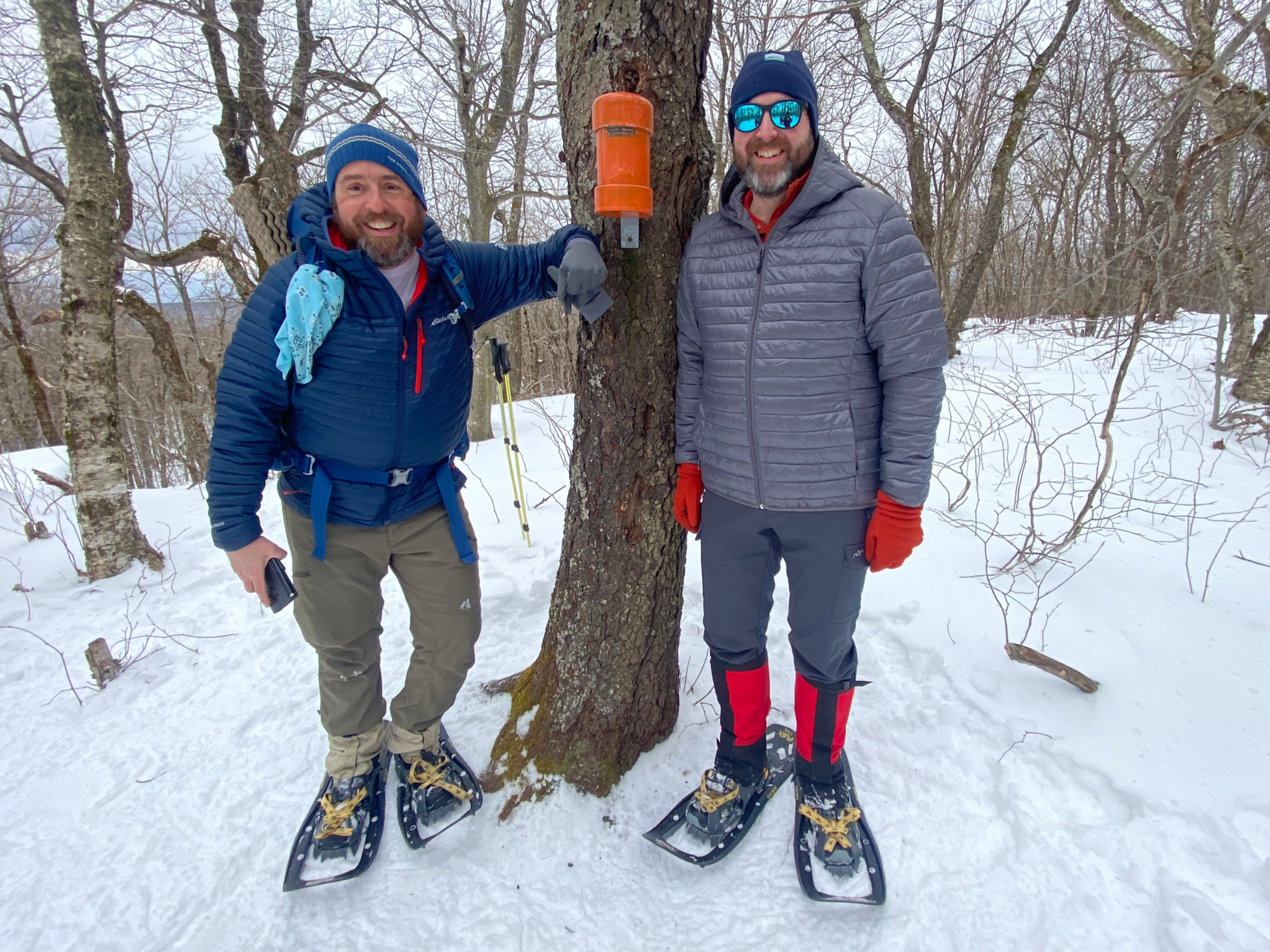
We love winter hiking and snowshoeing because it slows everything down. The trails are quieter, the air sharper, and even familiar summits feel new again. With the right gear and a bit of prep, snowshoeing opens up a whole season of adventure most people miss.
So grab your pack, bundle up, and come find some winter magic out there. We’ll see you on the trail!
More Hiking Advice and Hiking Gear Recommendations
Important Hiking and Snowshoeing Considerations
Weather: Check the weather forecast before your hike and be prepared for changes in conditions.
Safety: Some sections of trail can be steep and rocky, others can be muddy, so use caution and always watch your footing.
Leave No Trace: As with any outdoor activity, remember to follow the principles of Leave No Trace. Pack out any trash, stay on the trail, and be respectful of the natural environment.
Snowshoeing Essentials FAQ
What gear do I actually need to start snowshoeing?
You only need three true essentials to get started: snowshoes sized for your total weight (you + your pack), warm waterproof boots, and trekking poles with snow baskets. Everything else adds comfort, warmth, and safety, but those three will get you moving confidently on snowy trails.
What should I wear when snowshoeing?
Dress in moisture-wicking layers: a breathable base, an insulating midlayer, and a windproof or waterproof shell. Avoid cotton, keep extremities warm with gloves and a hat, and always pack dry backup layers because winter weather changes fast.
How do I stay warm while snowshoeing?
The trick is temperature control. Remove layers before you overheat, add them back when you stop, and prioritize insulating your core. Wool socks, insulated boots, and wind-blocking gloves make a huge difference in staying warm.
Are trekking poles necessary for snowshoeing?
Not required, but highly recommended. Poles add stability in deep snow, help with balance on climbs and descents, and prevent surprise slips under the surface. Just make sure you’re using winter baskets.
Do I need special boots for snowshoeing?
You don’t need technical mountaineering boots, but warm, waterproof winter boots with decent ankle support are best. Regular hiking boots are okay on packed trails, but insulated boots shine in fresh or deep snow.
What should I pack for a winter hike or snowshoe?
Bring extra layers, food, warm drinks, navigation tools, a headlamp, gloves, a first-aid kit, and emergency items like a bivy or fire starter. Winter travel demands more preparation, but the payoff is safety and comfort.
How cold is too cold for snowshoeing?
Many people are comfortable into the single digits with proper layering. Once wind chills drop below zero or storms roll in, consider your experience level, your route, and whether conditions match your comfort zone.
Can beginners safely go snowshoeing?
Yes! Snowshoeing is beginner-friendly and forgiving. Start with packed, well-marked trails, dress appropriately, and bring the winter essentials. Your confidence will grow quickly.
What’s the difference between snowshoeing and winter hiking?
Winter hiking uses boots (and sometimes microspikes), while snowshoeing uses wide, buoyant frames that keep you from sinking into deep snow. Snowshoes shine when conditions are soft, deep, or unconsolidated.
How do I know which snowshoes to buy?
Select snowshoes based on your weight + pack, the terrain you plan to explore, and the snow conditions typical for your region. Brands like MSR and Tubbs offer reliable options, and heel lifts make steep climbs far more enjoyable.