How to Swap Your Backpacking Gear from Summer to Fall for Safe Hiking Adventures
Seasonal Gear Swap: Summer to Fall Backpacking Essentials for Hiking and Camping
As the last warm days of summer fade and the crisp air of autumn creeps in, it’s time for a hiking and backpacking gear update. Cooler nights, shorter daylight, and unpredictable mountain weather make a seasonal gear swap essential for fall hiking and backpacking trips. With a few smart upgrades, you can stay warm, safe, and comfortable while extending your autumn hiking adventures.
Here are our five tips to help you swap out your summer gear for the gear you need to enjoy fall hiking:
1. Sleeping System: Stay Warm on Cool Fall Nights
A lightweight summer sleeping bag that worked in July may not cut it when temperatures dip into the 40s, or lower at higher elevations. Upgrade to a 20–30° sleeping bag or add a sleeping bag liner for extra warmth. Don’t forget your sleeping pad, its R-value is just as important for backcountry comfort in cooler weather.
Pro tip: A small, packable blanket or fleece liner adds warmth without bulk. Perfect for fall backpacking trips and a little bit of extra luxury without much weight.
2. Layering for Fall Hiking and Camping
Fall weather can change fast—sunny afternoons can turn frosty in a heartbeat. Swap summer t-shirts for a three-layer clothing system:
Midweight fleece or insulated puffy for warmth
Waterproof shell to handle unexpected rain and provide extra warmth
Pro tip: Also add a warm hat, gloves, and buff. They weigh almost nothing but make chilly mornings around camp or on a ridge much more comfortable.
3. Footwear for Wet, Slippery Trails in the Fall
Autumn means wet leaves, slick rocks, and muddy trails. Those ultralight summer trail runners may not be enough. Switch to sturdy hiking shoes or boots with good traction and good socks that are wool or synthetic blends keep your feet the warmest.
Pro tip: Don’t forget extra socks. Dry feet = happy feet and it’ll feel like heaven when you put that dry pair of socks on.
4. Food & Fuel: Extra Calories for Cooler Weather
Colder temperatures mean your body burns more calories. Plan for hearty meals and extra snacks—think soups, oatmeal, hot cocoa, or coffee. Bring extra stove fuel for fall backpacking, because boiling water can take longer in cool weather. Hot drinks and meals are a morale boost on crisp mountain mornings.
Pro tip: Don’t be afraid to bring your backpacking stove with you on day trips. A cup of hot soup or some hot coffee halfway through your hike on a cold day can make a world of difference!
5. Safety First: Shorter Days and Quick-Changing Weather
With shorter fall days, a reliable headlamp is a must. Pack fresh batteries and consider a backup. Sudden storms can hit the mountains fast—carry a map, compass, and extra layers. Staying prepared keeps your autumn hikes safe and enjoyable.
Pro tip: Always check the weather before starting your adventure and be prepared. If you have service in the backcountry, checking weather radar every so often is a great idea so you are prepared for incoming storms.
Why We Think Fall Hiking is the Best
We think that Fall is arguably the best season for hiking and backpacking. Trails are quieter, insects are fewer, and the crisp air makes every step feel fresher. Colorful leaves, golden rivers, and clear mountain views make every summit magical.
Whether you’re hiking the White Mountains in New Hampshire, exploring the Catskills in New York, or backpacking through the southern Appalachians, fall is a season for cooler temperatures, peaceful trails, reflective adventures, and unforgettable scenic beauty.
Hiker Trash Husbands Quick Gear Swap Checklist:
Warmer sleeping bag or a bag liner for your summer sleeping bag
Sturdy shoes or boots + extra socks
Hearty food + extra stove fuel
Headlamp + spare batteries
Map, compass, emergency layers
With these fall backpacking gear swaps, you can safely extend your hiking and camping season, enjoy autumn trails, and make every mile, summit, and sunset even more memorable.

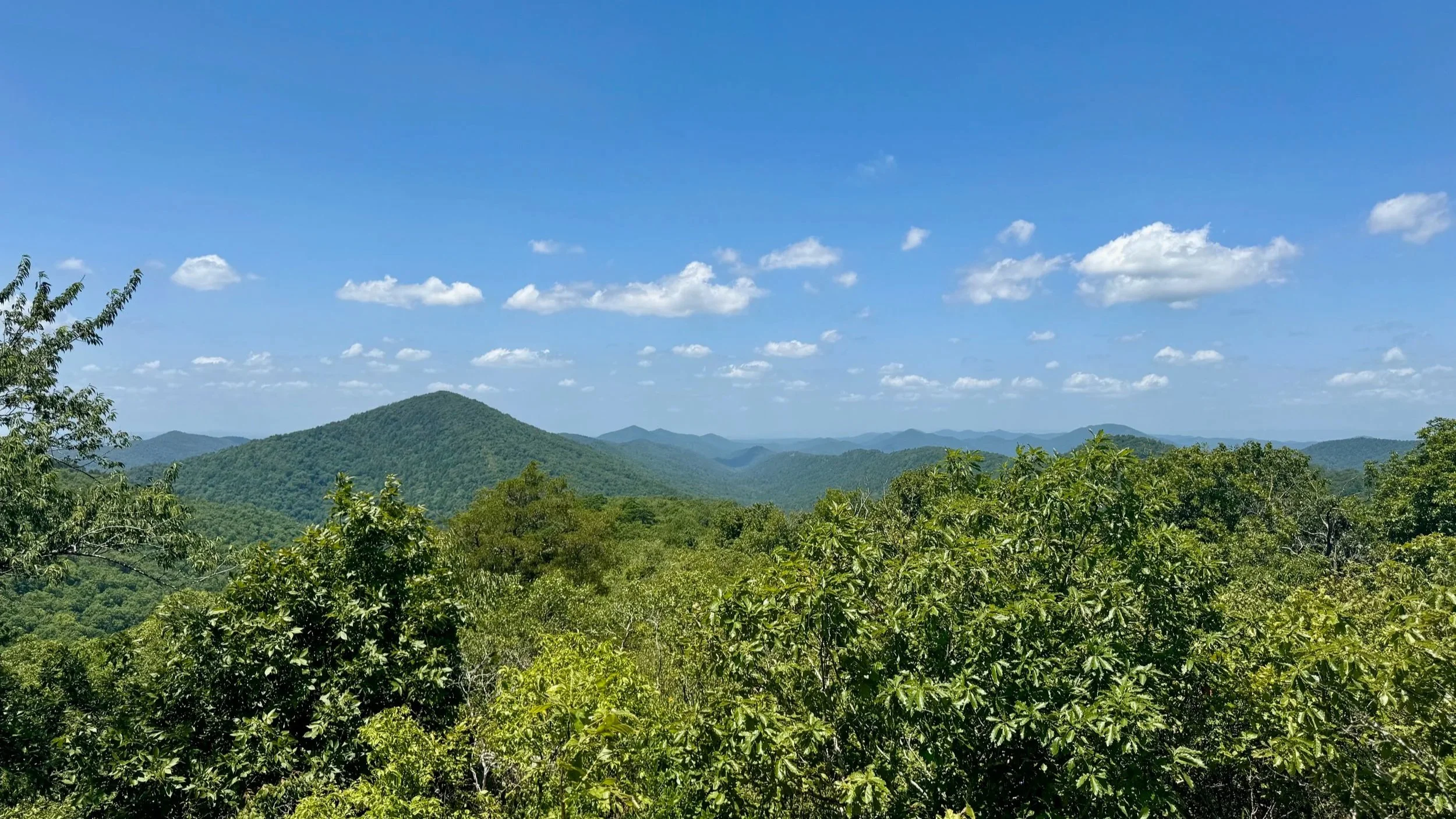
The Blackhead Mountains in the Catskills offer some amazing hiking and backpacking opportunities in the Fall!
More Hiking, Backpacking, and Gear Advice
Important Hiking Considerations:
Weather: Check the weather forecast before your hike and be prepared for changes in conditions.
Safety: Trails can be steep and rocky, muddy, icy, or have many other conditions, so always use caution and watch your footing.
Leave No Trace: Follow the principles of Leave No Trace. Pack out any trash, stay on the trail, and be respectful of the natural environment.
Some product links are affiliate links and we earn from qualifying purchases. Others are links through the Amazon Influencer program and as an Amazon Influencer, we earn from qualifying purchases. Still others, we just want you to know about some good gear we enjoy!