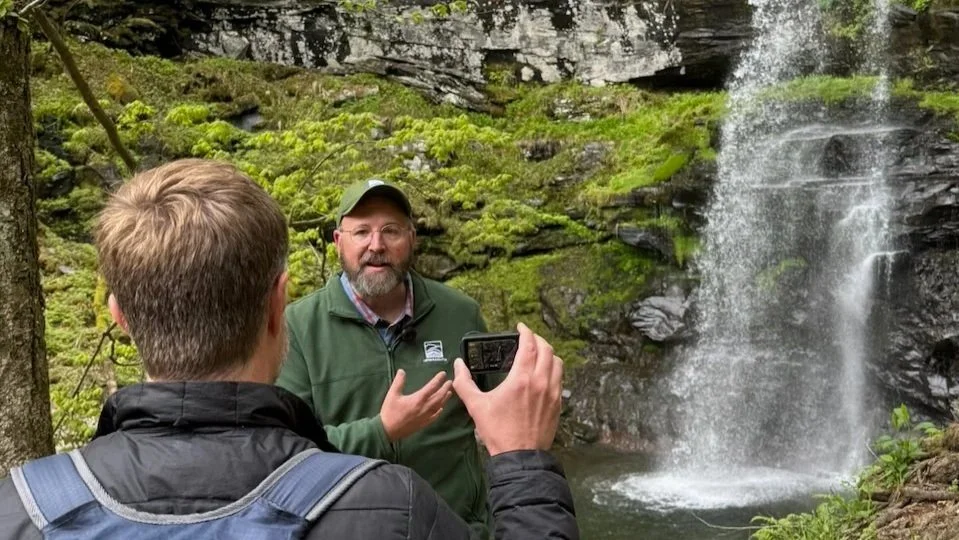
Jeff on TDC: A Catskills Story of Water, Conservation, and Community
In this video with TDC, Jeff explores why watershed protection must support both the ecological health and the living communities of the Catskills.
We are excited to share that Jeff recently joined TDC for a video about one of the most important stories in the Catskills: the landscape that supplies drinking water to millions of New Yorkers - and the communities, forests, farms, streams, wetlands, and protected lands that make that possible.
The video, World’s Largest Unfiltered Water Supply: NYC’s Catskill Watershed, follows Jeff through the Ashokan Reservoir area, the Catskills Visitor Center, the Catskill Park, and Platte Clove. It connects the water that reaches New York City faucets with the land and people here in the Catskills who help protect the watershed every day.
Watch the Interview
The TDC video explores how New York City’s Catskill and Delaware water systems provide about 90 percent of the city’s drinking water. Rather than relying on conventional filtration, the water system depends on protecting its source: forests, wetlands, streams, farms, reservoir lands, and the communities that live and work across the watershed.
That protection does not mean the water is untreated. The system uses disinfection, including ultraviolet treatment, but the health of the surrounding landscape allows New York City to avoid conventional filtration, an approach that has made the Catskills a globally significant example of watershed-based water protection.
More Than a Water Source
The Catskills are not simply a distant source of water for New York City. They are home to towns, hamlets, farms, working forests, local businesses, cultural institutions, and people who have deep connections to this landscape.
For us, that is an important part of the story. The forests and streams where we hike are part of a living region, not just scenery on the way to a summit. Protected land supports clean water, wildlife habitat, public recreation, climate resilience, and the sense of place that brings so many of us back to the Catskills again and again.
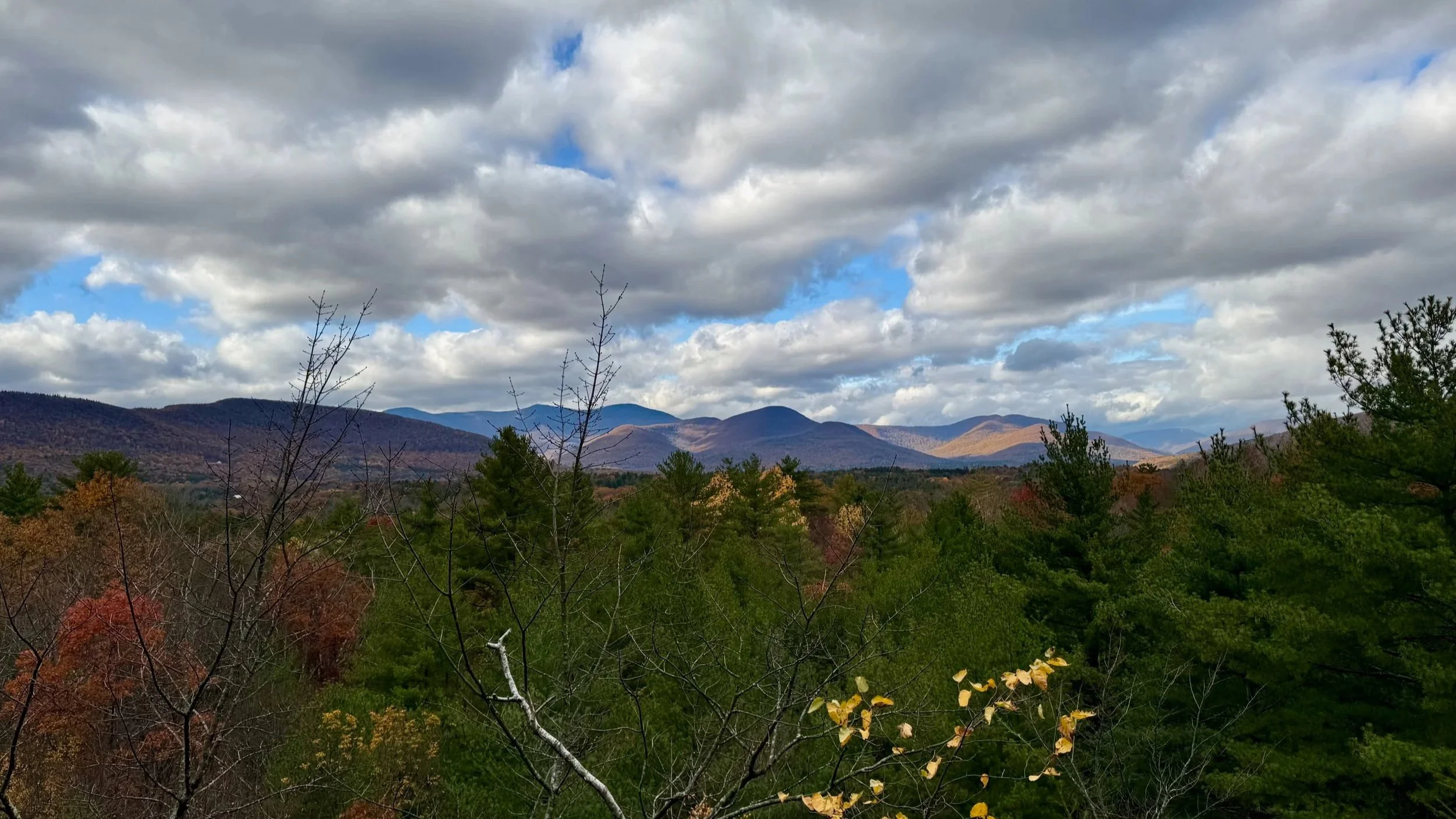
As hikers, we get to experience this directly. A trail along a mountain stream, a forested ridge, a view across the Ashokan Reservoir, or an afternoon at Platte Clove can feel like separate adventures. But they are all connected through the same larger system of protected land, working landscapes, public investment, stewardship, and community care.
Conservation and Community
The video also acknowledges the difficult history behind the Ashokan Reservoir. Its construction flooded entire communities, including homes, farms, businesses, cemeteries, and the villages like Olivebridge and Olive City. For many local families, reservoir development was not a voluntary decision; it involved condemnation and the forced displacement of people from their homes.
That history matters when we talk about conservation in the Catskills. Protecting land and water works best when it is rooted in honesty, partnership, and respect for the people who live here. The goal cannot be to treat the Catskills as an empty landscape preserved for people somewhere else. It has to be about sustaining a region where clean water, ecological health, public access, cultural heritage, recreation, and local community well-being can support one another.
The Catskill Park’s mix of constitutionally protected Forest Preserve land, private property, small communities, farms, and watershed lands is unusual—and it is one of the reasons this region remains so special. The Park’s “forever wild” Forest Preserve protections help safeguard public land from development and logging, while the wider landscape remains a place where people live, work, raise families, run businesses, farm, and welcome visitors.
Jeff’s Work With the Catskill Center
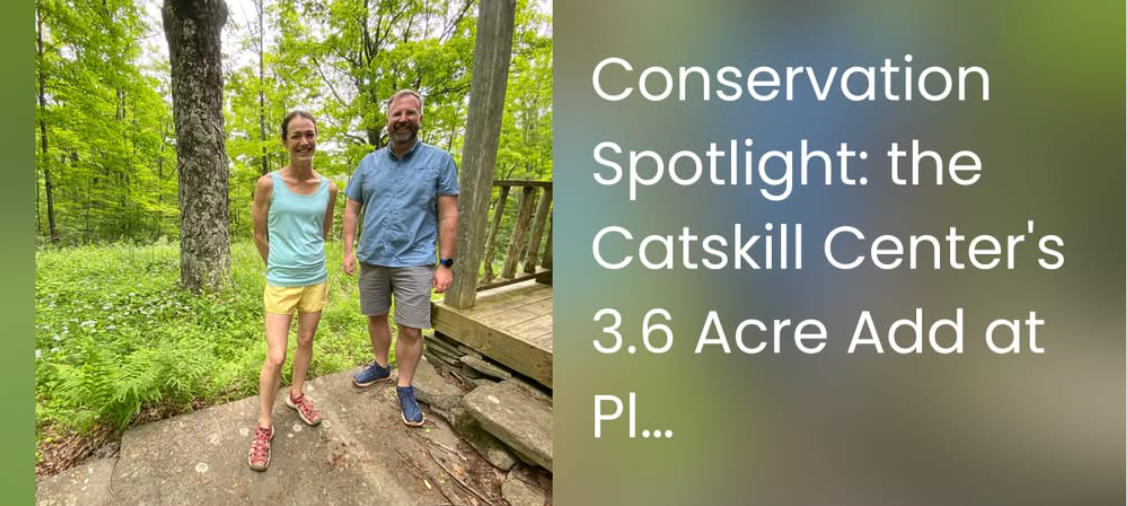
Jeff joined the conversation not only as a lifelong Catskills hiker and explorer, but as Executive Director of the Catskill Center. For more than 50 years, the Catskill Center has worked to protect the environmental, cultural, and economic well-being of the region through land conservation, forest stewardship, visitor education, watershed protection, climate resilience, sustainable community development, and advocacy.
During Jeff’s tenure, the organization has helped steward more than 2,000 acres through direct ownership and conservation easements. The Catskill Center also supports visitor education through the Catskill Stewards program and the Catskills Visitor Center, where tens of thousands of visitors each year can get practical information about trails, outdoor safety, local history, and responsible recreation.
That work connects directly to how we experience the mountains. When visitors know where they are going, understand trail conditions, respect local communities, and practice Leave No Trace, they help protect the places they came to enjoy. Good recreation stewardship is watershed stewardship, too.
Why This Is Personal
For Jeff, this story is personal as well as professional. He grew up spending time in the Hudson Valley and Catskill Mountains, worked as an Assistant Forest Ranger in Greene County during college, and has spent much of his life hiking, exploring, and advocating for this region.
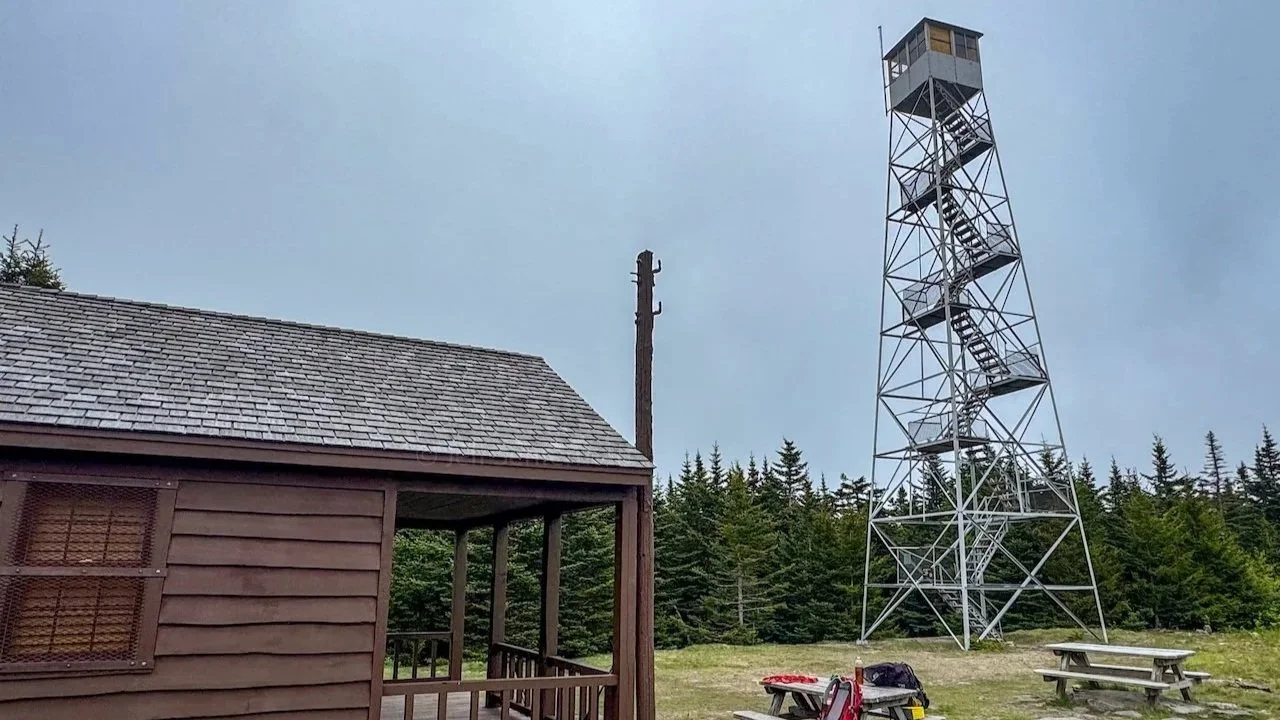
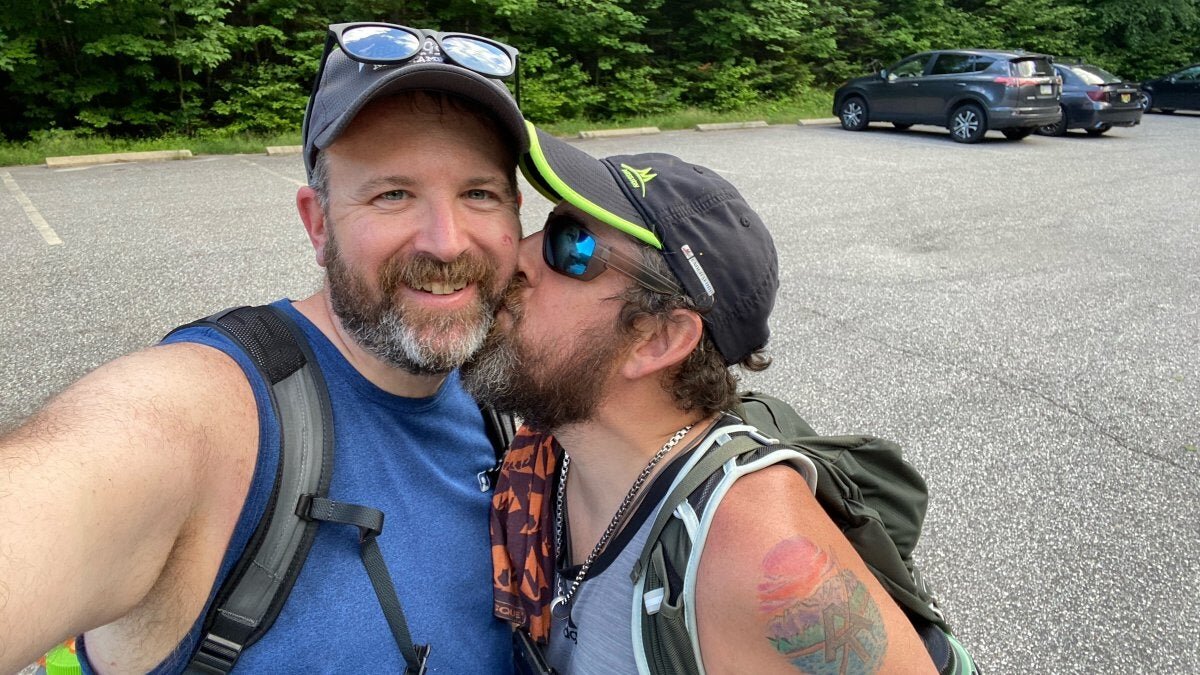
As the Hiker Trash Husbands, we spend a lot of time sharing trail guides, big hike days, muddy miles, fire towers, quiet waterfalls, and the small moments that make hiking meaningful. But we also believe it is important to understand the land beneath our boots - the history, policies, people, and conservation work that make those experiences possible.
The Catskills are our home landscape. They are where we hike, guide, work, build community, and our pride. They are also part of a watershed that millions of people depend on every day, whether they have ever set foot on a Catskills trail or not.
Visit and Learn More
If you are planning a Catskills hiking trip, consider stopping at the Catskills Visitor Center in Mount Tremper before heading out. It is a helpful place to get oriented, explore the history of the Catskills, learn about current conditions and responsible recreation, explore the short trails on site, and climb the historic fire tower for a first look across the mountains.
And when you are out on the trail, remember that every stream, wetland, forest, and mountain is part of a bigger story. Protecting the Catskills is not only about preserving views, it is about keeping water clean, sustaining local communities, protecting public land, and ensuring that this place remains wild, welcoming, and worth caring for.