Catskills Hiking Guide: Trails, Maps, Camping Rules & More (2026)
Guide to Hiking and Visiting the Catskills and the Catskill Park
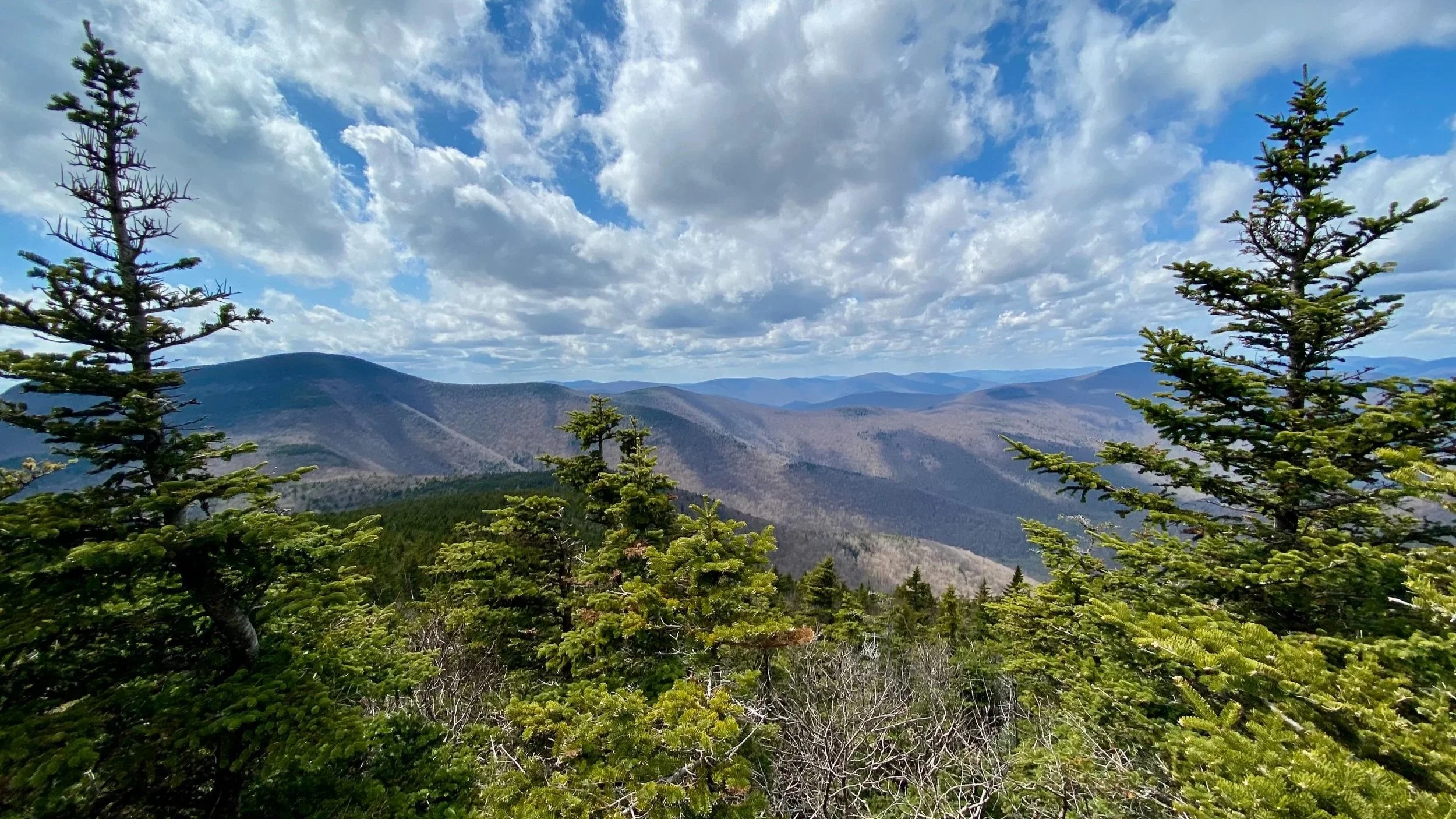
This Catskills hiking guide covers everything you need to know about hiking in the Catskill Mountains of New York. Whether you’re looking for beginner-friendly trails, challenging Catskill 3500 peaks, waterfall hikes, or multi-day backpacking routes in Catskill Park, this guide will help you plan your trip with trail recommendations, maps, camping rules, and local hiking tips.
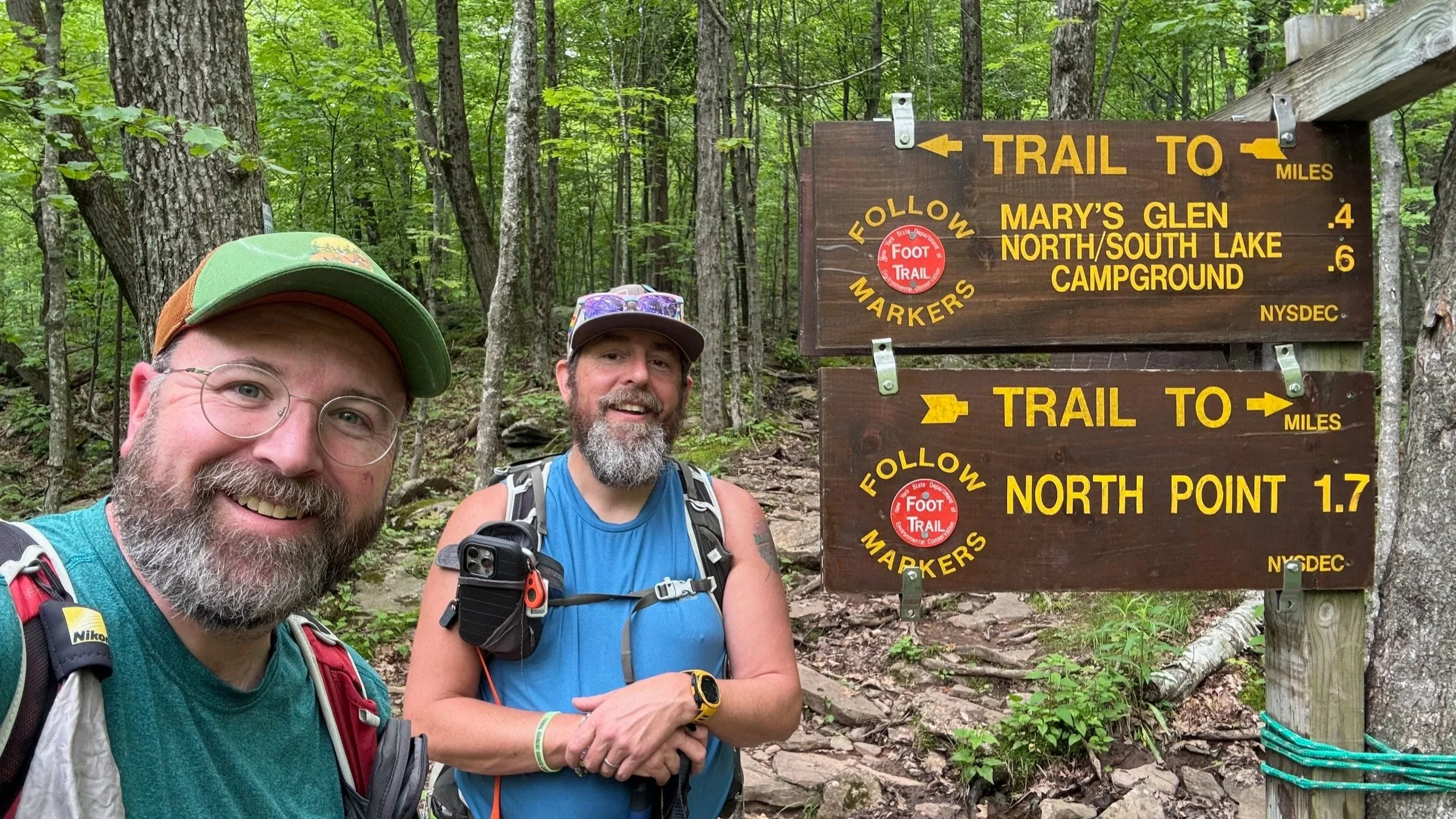
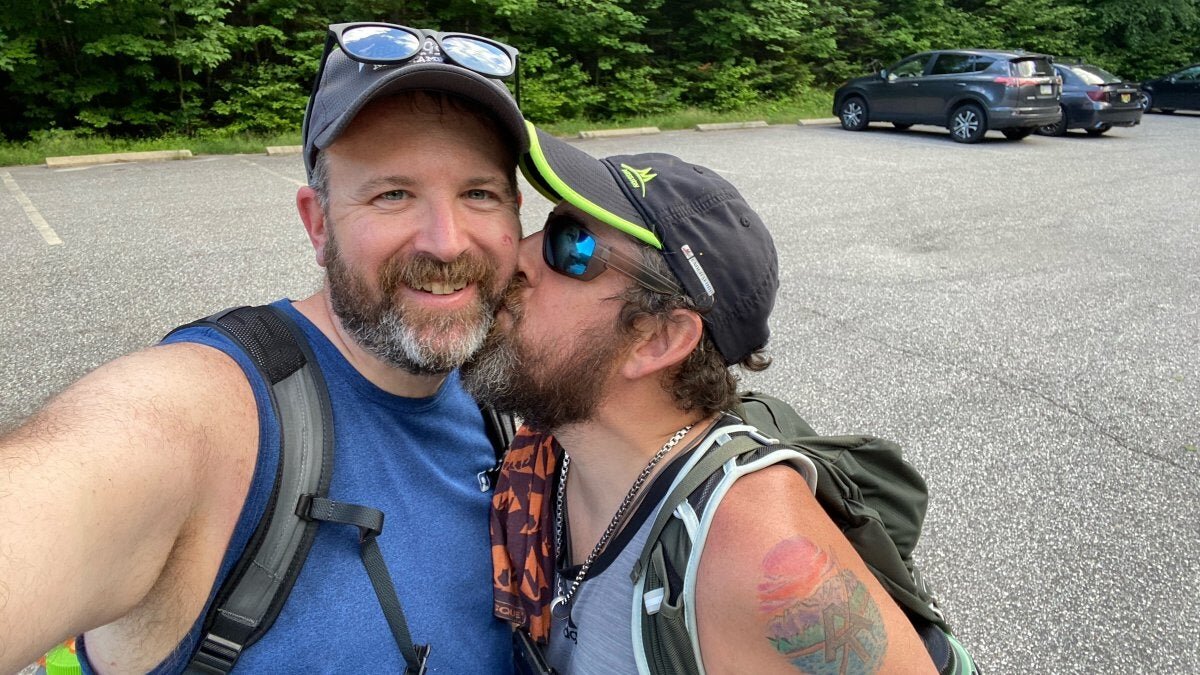
By Jeff Senterman and Moe Lemire, the Hiker Trash Husbands and owners of Hike on Guides
We're Jeff and Moe, the Hiker Trash Husbands, NYSDEC-licensed hiking and camping guides, and Catskills locals who've logged countless miles on these trails through the years and climbed all of the Catskill 3500 peaks (and many more). These are our home mountains, and we're here to share reliable trail info, safety know-how, and that genuinely helpful information to get you out exploring safely and confidently.
The Catskills are rugged, close to NYC, and endlessly rewarding if you show up prepared. This guide is your one-stop starting point for planning Catskills day hikes, backpacking trips, and long weekends both on and off the trail.
Use this guide if you want to:
Understand what and where the Catskill Park actually is
Choose between easy walks, family hikes, big-view day trips, and multi-day epics
Learn where to stay, how to get around, and how camping rules work
Avoid the classic "we underestimated the Catskills" mistakes we see every year
We have created dozens of video hiking guides for Catskills trails. Watch them all on our Hiking the Catskills YouTube playlist!
The Catskills in a nutshell
Catskills Hiking Quick Facts
Location: Southeastern New York
Highest Peak: Slide Mountain
Park Size: ~700,000 acres
Public Forest Preserve: ~287,000 acres
Number of Catskill 3500 peaks: 33 publicly accessible peaks
Best hiking season: May–October
Hardest trail: Devil’s Path
The Catskill Mountains sit about 50 miles southwest of Albany and roughly 150 miles north of New York City. To the east, the Hudson River and Hudson Valley frame the range; to the west, the mountains roll down into the hills of New York's Southern Tier.
Highest peak: Slide Mountain at 4,180 feet, part of the Southern High Peaks trio with Wittenberg and Cornell.
Northeastern ranges: the Devil's Path Range and Blackhead Range, home to rugged climbs and big views, including Hunter Mountain at 4,040 feet.
Southwestern area (near Route 17, Liberty, Livingston Manor, Roscoe): lower elevations, more ponds and wetlands, and generally more family-friendly terrain.
Overall, there truly is something for everyone: mellow family loops, waterfall walks, fire tower scrambles, and "why did we think this was a good idea?" long traverses.
The Catskill Park and "Forever Wild"
The Catskill Park was created in 1904, following the establishment of the Forest Preserve in 1885 to protect New York's forests and water supplies from intense resource exploitation. Today, all state-owned land in the Park is protected by the New York State Constitution's Article XIV "Forever Wild" clause.
"The lands of the state, now owned or hereafter acquired, constituting the forest preserve as now fixed by law, shall be forever kept as wild forest lands. They shall not be leased, sold or exchanged, or be taken by any corporation, public or private, nor shall the timber thereon be sold, removed or destroyed.…"
The Catskill Park covers roughly 700,000 acres total within its "Blue Line" boundary. About 287,000 acres (roughly 41%) are publicly owned Forest Preserve, and the rest is private land, making the Catskills, like the Adirondacks, one of the few parks in the country that mixes public and private land at this scale.
Why this matters to you:
You'll see a patchwork of hamlets, public wild forests, and private inholdings, rather than a single big national park unit
Camping, parking, and access rules depend on whether you're on state Forest Preserve or private land (posted areas are off-limits)
A very short history of the Catskills
For millennia, Munsee Lenape and Esopus peoples traveled seasonal hunting and gathering routes through these mountains, using valleys for villages and agriculture. Early colonists saw these mountains as a dark, imposing wall rising above the Hudson Valley. In the 19th century, they became an escape for city dwellers, with grand hotels, railroads, and sweeping views that inspired the Hudson River School, the nation's first major art movement.
The region played a pivotal role in America's early conservation efforts, helping spark the movement to protect wild landscapes. Today, the Catskill Park safeguards these areas just hours from New York City, where you still feel the blend of of heritage, art, history, and untamed nature.
What kind of Catskills trip should you plan?
The first big decision: day hikes or backpacking.
Day hiking: Stay at a hotel, motel, rental, or campground in one of the mountain towns and string together day hikes
Backpacking: Link trails and peaks into multi-day routes and camp in the backcountry or near lean-tos
The vast majority of Catskill trails are doable as day hikes, while most backpacking trips are created by connecting existing trails into your own itinerary.
Maps and guidebooks we actually use in the Catskills
For trip planning and navigation, start with good maps and guides. Here's how the main options stack up.
Maps
NY-NJ Trail Conference Catskill Trails 6-map Set: The definitive map set for the Park: detailed trail coverage plus trail descriptions on the back of each map. It's often enough that you don't need a separate guidebook if you're comfortable reading maps.
National Geographic Trails Illustrated – Catskills: Great big-picture overview of the region, but less detail than the Trail Conference maps.
Guidebooks
AMC's Catskill Mountain Guide – solid narrative hike descriptions and background, though not recently updated.
ADK's Catskill Trails – another well-written option for route ideas and context
Apps
AllTrails provides good coverage of Catskills trails, though often shows social trails that are not official trails, which can make navigation challenging.
The Catskill Park’s Visitor Center
The Congressman Maurice D. Hinchey Catskills Visitor Center (5096 NY Route 28, Mount Tremper, NY 12457) is the official gateway to the Catskill Park, operated by the Catskill Center in partnership with NYSDEC. Located on 60 acres of forest, fields, and wetlands, it's your one-stop for trail updates, park info, and Catskills souvenirs - staffed daily by knowledgeable staff and volunteers.
Catskills Visitor Center Hours
April 1 – November 30: Open 7 days a week, 9:30 AM–4:00 PM
December 1 – March 31: Open Friday–Monday, 9:30 AM–4:00 PM
Grounds open dawn to dusk daily year-round. Closed major holidays. Always confirm via phone/website as weather/events may affect operations. Call (845) 688-3369 or email info@catskillcenter.org.
What you'll find at the Catskills Visitor Center:
Trail & park info: Latest backcountry updates, conditions, regulations, suggested hikes, and gear advice
Maps & books: Trail Conference map sets, Nat Geo map, guidebooks, and Catskill Center publications
Fire tower: Climb the 80-ft Upper Esopus Creek Fire Tower for 360° views.
Trails: 1+ miles of easy, accessible nature trails through woods/wetlands
Exhibits & more: Indoor displays on Catskills ecology/history, restrooms, picnic areas, and small gift shop
Pro tip: Stop here first! Chat with staff, grab a map, check conditions, and get climb the Fire Tower to start your Catskills Fire Tower Challenge. It's pet-friendly (leashed) and a quick detour off Route 28.
Hike On Guides: Guided Adventures with Us
Want to hike the Catskills with NYSDEC-licensed hiking and camping guides who know every ledge, lean-to, and weather quirk? Hike On Guides is our full-service guiding company, co-owned by the two of us and offering trips for all levels in the Catskill Park and beyond.
What we offer at Hike on Guides:
Day hikes: Classic summits (Slide, Devil's Path), family-friendly loops, and off-trail bushwhacks.
Multi-day backpacking: Devil's Path, Long Path sections, and more.
Skills workshops: Backcountry camping, winter hiking (snowshoes/crampons), navigation.
Custom/private: Trip planning, first-timer confidence builders, and more.
We focus on safety, inclusivity, and Leave No Trace principles in our adventures. Let us help you explore the Catskills. Book your adventure at hikeonguides.com or DM us on Instagram.
Best Catskills towns for hiking bases?
If you're doing day trips, you'll want a convenient "home base." Most of the Park is reachable from a handful of mountain towns and nearby campgrounds.
Mountain towns to consider
Hunter / Tannersville / Windham – Close to the Devil's Path Range, Hunter Mountain, Blackhead Range, and North-South Lake area.
Phoenicia / Mt. Tremper / Big Indian / Pine Hill – Great access to Slide, Wittenberg, Cornell, and other Southern High Peaks
Woodstock – Handy for Overlook Mountain and the eastern side of the Park
Margaretville / Arkville – Good central access to Route 28 corridor hikes
Roscoe / Livingston Manor / Liberty – Western Catskills base with gentler terrain, pond hikes, and family-friendly options
Nearby public campgrounds
State-run campgrounds close to popular trail networks include:
North-South Lake and Devil's Tombstone near Tannersville
Woodland Valley near Phoenicia
Kenneth Wilson near Woodstock
Mongaup Pond and Little Pond near Livingston Manor and Roscoe
Most major peaks and trails are a short drive from these towns and campgrounds.
Getting around and car-free options in the Catskills
Major road corridors
Four main roads are your gateways into the Park:
Route 17 – From the NYS Thruway at Harriman past the southwestern Catskills, serving Liberty, Livingston Manor, and Roscoe
Route 28 – From Kingston west into the heart of the Park, passing Shokan, Boiceville, Mt. Tremper, Phoenicia, Big Indian, Arkville, and Margaretville
Route 23A – From Exit 20 (Saugerties) or Exit 21 (Catskill) of the NYS Thruway, into the northeastern Catskills, including North-South Lake and the Devil's Path corridor
Route 23 – From Catskill to Windham and the northern Escarpment Trail
North-south, Route 30 connects much of the western Catskills, while Route 214 links Route 28 to Route 23A through Stony Clove.
Visiting without a car
If you're coming from NYC or other areas without a vehicle, you still have options:
Daily bus service from Kingston can get you to mountain towns like Phoenicia, Margaretville, Tannersville, and Hunter
From there, you can often arrange taxi or shuttle rides to trailheads and pickups at the end of your hike
Always double-check current schedules and plan your pickup logistics before you hit the trail.
Best Hikes in the Catskills
The Catskills offer an incredible variety of hiking experiences, from short scenic walks to rugged climbs with sweeping summit views. These standout hikes highlight some of the best trails in Catskill Park, showcasing the waterfalls, fire towers, high peaks, and classic mountain landscapes that make the region such a special place to explore.
Best beginner hikes in the Catskills
The Catskills offer plenty of great trails for hikers who are new to the area or looking for a more relaxed adventure. These beginner-friendly hikes feature well-marked trails, moderate distances, and rewarding views, waterfalls, or scenic forests without the steep climbs the region is known for.
Windham Path - One of the best trails for anyone of any ability. Near the hamlet of Windham, it offers a beautiful loop hike along streams and through fields - while surrounded by the northern Catskill Mountains.
Plattekill Falls - While parking can be challenging, this short hike at the head of Platte Clove on a well constructed and maintained trail offers visitors a chance to visit one of the most beautiful waterfalls in the Catskills.
Dibble’s Quarry - Explore the history of bluestone quarrying in the Catskills, enjoy incredible views, and take a seat on your very own rock throne.
Best Mountain Hikes in the Catskills
Some of the most amazing views in the Catskills come from the highest peaks, along with some of the most challenging climbs and descents.
Devil's Path Range peaks – Indian Head, Twin, Sugarloaf, Plateau, Hunter, and Westkill all have maintained trails and deliver serious vertical and rugged terrain.
Blackhead Range – North of the Devil's Path, this range offers steep climbs and long-range views north toward Albany and beyond.
Slide, Wittenberg, Cornell – Slide is the tallest mountain in the Catskills, and together these three make up the High Peaks of the southern part of the range.
Many of these can be done as day hikes, and some can be stitched into loops so you're not backtracking.
Best scenic hikes in the Catskills
If you're not chasing the higher summits, there are plenty of gorgeous options with amazing views in the Catskills:
Escarpment Trail – Long stretches run along the eastern edge of the mountains with frequent Hudson Valley views but relatively modest elevation changes.
Huckleberry Point - This hike takes you to one of the most stunning overlooks with extensive views of Platte Clove, the Devil’s Path Range, and the Hudson Valley.
Giant Ledge - An incredibly popular hike for a reason, the views from the top of Giant Ledge are stunning.
Best hikes to waterfalls and ponds in the Catskills
The Catskills are home to beautiful waterfalls and a handful of quiet mountain ponds, offering everything from the very popular highest waterfall in New York, to remote wild ponds.
Kaaterskill Falls – Short but somewhat rugged hike to the base of New York's highest waterfall; expect crowds and respect safety signage.
Echo Lake - Moderate hike to one of the few naturally occurring mountain lakes in the Catskills.
Trout Pond near Roscoe – Features two lean-tos, a sandy swimming area, and a family-friendly approach hike.
Plattekill Falls - a short, moderate hike in the Platte Clove Preserve to the 60-foot tall Plattekill Falls.
Best Backpacking Hikes in the Catskills
If you're ready to backpack, a few standouts:
Long Path through the Catskills – About 100 miles from Wawarsing in the south to Windham in the north, with very few road walks
Devil's Path backpack – A 2-3 day, ~26-mile traverse from Spruceton Valley over Westkill, Hunter, Plateau, Sugarloaf, Twin, and Indian Head, with thousands of feet of gain and loss.
Mt. Tremper to Plateau via Warner Creek – A nearly 25-mile route where you won't cross any roads and get a true wilderness feel; this is one of the longest roadless trail sections in the Catskills.
Huckleberry Loop - a 13-mile route in the western Catskills where you’re likely to see more wildlife than people.
Hike the Catskills Fire Tower Hikes
The six fire towers in the Catskill Park make perfect hike goals:
Upper Esopus (at the Catskills Visitor Center)
On summer weekends, volunteers often staff the towers to share history and answer questions, and all of them offer 360-degree views. Read about the time we did all five fire towers on the Catskills peaks in one day!
What is the best hike in the Catskills?
We think that the best hike in the Catskills is the 9-mile loop over Hunter Mountain via Spruceton Trail, Hunter Mountain Trail, and Devil’s Path. This classic loop hike delivers everything that makes the Catskills special including the Catskills second-highest summit, a fire tower with stunning 360° vistas, two lean-tos, multiple viewpoints, an optional side-trip to a trailless peak (Southwest Hunter), all in a moderately difficult hike suitable for fit day-hikers It's our top pick for the complete Catskills experience and best Catskills Hike: accessible yet challenging, historic tower, unbeatable vistas and perfect for first-timers or repeat visitors. It’s our go-to hike for introducing new hikers to the Catskills. Find the full trail guide, YouTube video and more at Hiking the Hunter Mountain Loop.
Hiking the Catskills, a comprehensive collection of our written trail guides and YouTube Videos
Dive deeper: All our Catskills trail guides: Our full Catskills hiking hub, Hiking the Catskills features more than 50 detailed guides (Slide, Devil's Path, 3500 peaks, waterfalls, loops like Huckleberry), GPX tracks, YouTube videos, seasonal tips, gear recommendations, and hiking challenges (3500 Challenge, Fire Towers). From family-friendly Frick Pond to bushwhacks like Kaaterskill High Peak—everything planned, filmed, and hiked by us.
Explore dozens of Catskills hikes and adventures at Hiking the Catskills →
Popular Hiking Challenges in the Catskills
Catskill 3500 Club: The Catskill 3500 Club Challenge is the oldest and most well known hiking goal in the Catskill Mountains. To earn membership in the club, hikers must climb 33 Catskill peaks above 3,500 feet, and then complete four additional winter ascents of Slide Mountain, Blackhead Mountain, Panther Mountain, and Balsam Mountain between December 21 and March 21. The challenge takes hikers across the entire Catskills, from popular summits with established trails to several remote trailless peaks that require navigation and bushwhacking skills. Completing the list earns hikers official membership in the Catskill 3500 Club and represents a deep exploration of the rugged terrain and wild forests that define Catskill Park.
Catskills Fire Tower Challenge: The NYSDEC Catskills Fire Tower Challenge invites hikers to visit all eight fire towers in/near the Park: Balsam Lake Mountain, Hunter Mountain, Overlook Mountain, Red Hill, Tremper Mountain, Upper Esopus, Mount Utsayantha, and Bramley Mountain. Log your hikes and for a patch, Conservationist magazine subscription, and prize raffle entry.
Catskills Adventure Challenge: The Catskill Center’s Catskills Adventure Challenge, is a beginner-friendly hiking challenge designed to introduce people to some of the Catskills scenic trails and natural areas. The challenge includes eight featured hikes across the Catskills, and participants earn a commemorative patch by completing six of the eight hikes, documenting their adventures with photos, and submitting a completion form online.
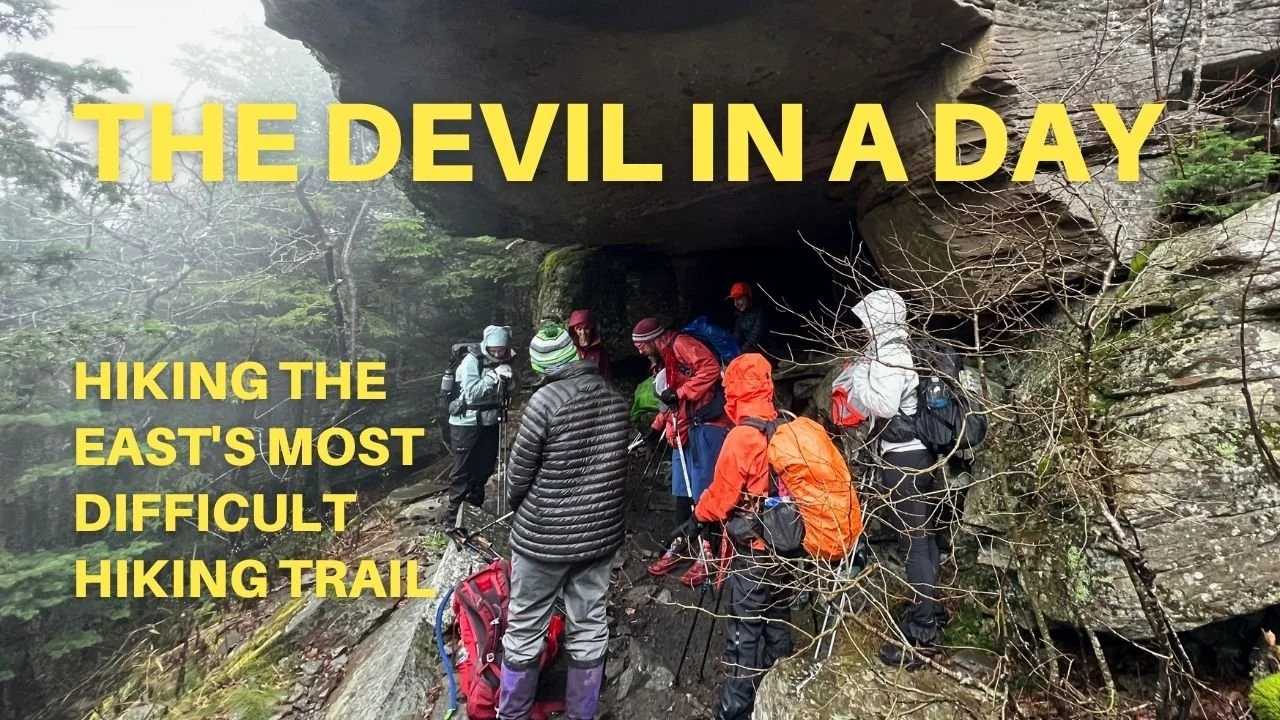
Devil’s Path (Devil in a Day): The Devil’s Path is widely considered one of the toughest hiking routes in the eastern United States. Stretching roughly 24 miles across the northeastern Catskills, the trail climbs six rugged peaks including Indian Head Mountain, Twin Mountain, Sugarloaf Mountain, Plateau Mountain, Hunter Mountain (though not over the summit), and West Kill Mountain. Many hikers treat completing the entire traverse in a single push or multi-day trip as a major Catskills endurance challenge.
Escarpment Trail: The Escarpment Trail is one of the classic long-distance hikes in the Catskills. Running about 24 miles along the eastern edge of the mountains, the trail offers dramatic views over the Hudson Valley and connects several high peaks including Windham High Peak, Blackhead Mountain, and Stoppel Point. Many hikers complete the route as a challenging day hike or an overnight backpacking trip.
Catskill Six: The Catskill 6 is a challenging multi-peak traverse that links six rugged summits in the southern Catskills: Friday, Balsam Cap, Rocky, Lone, Table, and Peekamoose. Covering roughly 11–18 miles (depending on how your trip is laid out) with significant bushwhacking and minimal herd paths in places, the route is considered one of the toughest single-day hiking challenges in the Catskill Mountains and requires strong navigation skills and backcountry experience.
Catskills 4 Seasons 120: The Catskills 4 Seasons 120 Challenge invites hikers to experience the mountains in every season by completing the same hike during spring, summer, fall, and winter. Participants choose a Catskills trail or peak and return four times throughout the year, seeing how the landscape transforms from spring mud season and summer forests to peak fall foliage and snowy winter conditions.
Catskills Grid: The Catskills Grid is an advanced peak-bagging challenge that requires hikers to climb each of the peaks on the Catskill Mountain Club list during every month of the year. Completing the grid means 420 mountain ascents.
Catskills All-Trails Challenge: The Catskill Mountain Club’s Catskills All-Trails Challenge encourages hikers to explore the full network of marked trails across Catskill Park. To complete the challenges, hikers must hike every official trail within the Catskill Park.
Catskill Park backcountry camping rules: what you need to know
On state-owned Forest Preserve lands, camping is generally allowed under these rules:
Summer camping (no snow on ground):
Camp below 3,500 feet elevation
At least 150 feet from roads, parking areas, open water, and trails (unless at designated sites)
Winter camping (snow on ground):
You may also camp above 3,500 feet, following the same 150-foot rule
Lean-tos:
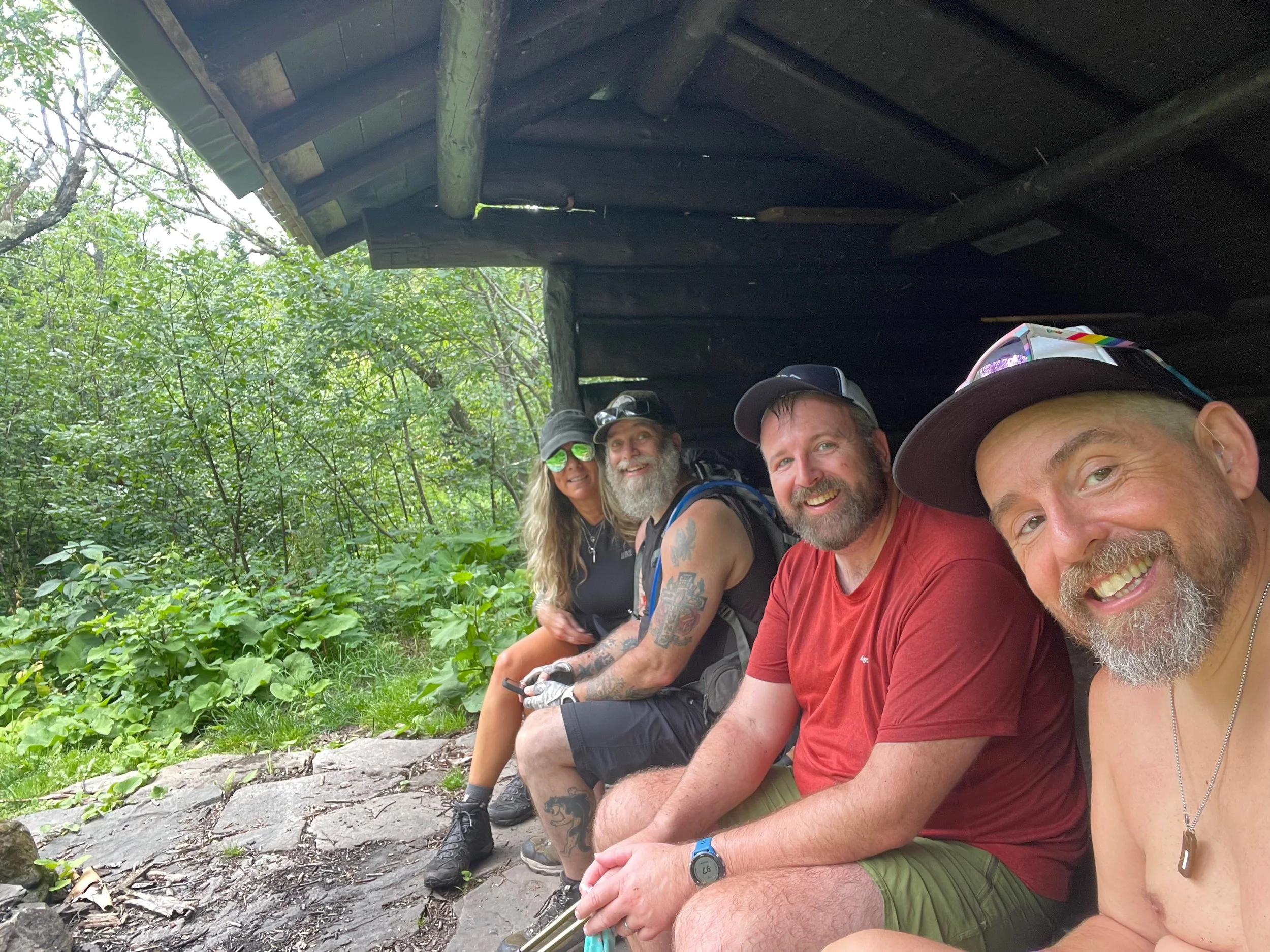
About 30 backcountry lean-tos throughout the Park
First-come, first-served
Typically fit 8-10 people
Near popular destinations, they often fill on weekends—arrive early and always carry your own shelter as backup
The NYSDEC maintains a page for the Catskill Park that includes all rules and regulations regarding hiking, camping, and other recreational uses on the Forest Preserve.
Kaaterskill Falls
The viewing platform for Kaaterskill Falls, New York's tallest waterfall at 260 feet (two tiers), is a short, relatively easy hike from Laurel House Road. A longer, more rugged hike is also available to reach the mid-pool and the lower falls. For all trails at Kaaterskill, expect crowds and steep/slippery terrain - so safety is paramount.
Key details for Kaaterskill Falls hikes:
Access: Park at Laurel House Trailhead (off North Lake Rd; arrive early—fills by 10 AM weekends). Avoid illegal roadside parking on Rt 23A (towing/fines enforced). Alternate access: Park at Mountain Top Historical Society in Haines Falls and hike Kaaterskill Rail Trail (1.5 mi gentle walk to viewpoint).
Trail: Well maintained, easy trail from Laurel House Trailhead to viewing platform. Steep stone stairs/ledges to middle falls and lower base (very dangerous when icy/wet—multiple fatalities; stay on path).
Difficulty/conditions: Easy to viewing platform; moderate to challenging to lower falls; trails are often muddy after rains and always icy in the winter months (microspikes are necessary in winter).
Best time: Weekdays, early morning. Spring/fall for best flow over falls; avoid peak summer weekends.
Tips: Leashed dogs OK; no fee. Combine with Escarpment Trail or North-South Lake trails for longer day.
Safety first: This area is slippery when wet with many deaths since 1800s. Follow posted directions, obey barriers, and don’t create shortcuts.
Catskills mountain conditions and weather
Mountain weather here is not as extreme as some higher ranges in the Northeast, but it's still very different from the valleys and it changes fast.
Spring and fall often bring wintry conditions at higher elevations while it's just raining in the lowlands
Summits are usually much colder and windier than the valleys, especially in winter
In summer, thunderstorms can roll through suddenly, with real lightning exposure on open summits and ridges
For planning, check:
Local forecasts (e.g., Hudson Valley Weather) for fine-grained conditions
National Weather Service for broader outlooks
The Catskills Visitor Center Catskill Park Conditions page, which is updated regularly with trail conditions, closures, and advisories
Always carry extra layers and rain protection, even on "nice" days. Check out our guides make sure you’re ready for hiking:
Trail difficulty and safety reality check
For "little" mountains, the Catskills are surprisingly tough. Trails are often steep, rocky, and full of ledges and short cliff scrambles that can feel serious in bad weather or winter conditions.
In winter, ice forms over ledges and steep pitches; snowshoes, microspikes, and crampons are often necessary, along with warm clothing (read our snowshoeing essentials)
Accident and rescue calls happen every year: injuries, lost hikers, and parties caught out after dark or unprepared for conditions
To stack the odds in your favor:
Plan your route, know your turnaround time, and tell someone your plan
Carry appropriate gear for terrain and season, not just a water bottle and a phone
Be willing to turn around if the weather, trail, or group energy isn't matching your plan
The Devil's Path, in particular, has a reputation as one of the roughest hiking trails in the East, and it's earned.
Frequently asked questions
What's the best beginner Catskills hike?
The Windham Path offers hikers and walkers of all abilities a beautiful loop just outside of the hamlet of Windham. The views of the surrounding mountains are amazing and there’s a coffee shop and ice cream shop right at one of the trailheads. For something a little less maintained and manicured, the two mile in and out hike to Dibble’s Quarry is a wonderful family friendly and beginner friendly hike. Plus there’s some very cool rock sculptures in Dibble’s Quarry that are well worth the exertion.
What is the best hike in the Catskills?
The Hunter Mountain loop hike is the quintessential Catskills hike featuring a fire tower , multiple viewpoints, two lean-tos, a waterfall, and more along its 9 mile length. We consider it the best hike in the Catskills.
Can I camp anywhere in the Catskill Park?
No. On state Forest Preserve land, you must follow the 150-foot rule (see camping section above). Private land requires owner permission. Always check if you're on public or private land before setting up camp.
When is the best time to hike the Catskills?
Late spring through fall (May–October) offers the most accessible conditions. Fall foliage (late September–mid October) is spectacular but trails can get crowded. Winter hiking requires snowshoes, crampons, and serious preparation for ice and cold.
Are there bears in the Catskills?
Yes. Black bears are common. Use bear canisters when camping (available for rent at Catskills Visitor Center). Don't leave food in your car at trailheads. Bears are generally not aggressive but treat them with respect and give them space.
Can I bring my dog?
Dogs are allowed on most trails in the Catskill Park but should be leashed and must always be under control. Be prepared for steep, rocky terrain that may be challenging for some dogs. Always pack out waste and keep dogs under control near other hikers.
Do I need a permit to hike or camp?
No permits are required for day hiking or backcountry camping on state Forest Preserve lands in the Catskills. Just follow Leave No Trace principles and NYSDEC Forest Preserve camping regulations.
Do I need a permit to visit the Peekamoose Blue Hole?
Yes, you need a permit to visit the Peekamoose Blue Hole or access the Peekamoose Table Trail between May 15th and September 15th. There is an online permit system is in place for the Peekamoose Blue Hole area and a permit is required to park in the parking lot that serves the Blue Hole and the Peekamoose-Table Trail in this area.
How hard is the Devil's Path really?
Very hard. It's consistently ranked among the toughest trails in the eastern U.S. Expect steep climbs, rock scrambles, exposed ledges, and significant elevation gain/loss over 26 miles. Only attempt if you're an experienced hiker in good shape.
What’s the story with Kaaterskill Falls?
Kaaterskill Falls, New York's tallest waterfall at 260 feet (two tiers), is a short, relatively easy hike from Laurel House Road parking to the viewing platform. A longer, more rugged hike is also available to reach the mid-pool and the lower falls. For all trails at Kaaterskill, expect crowds and steep/slippery terrain - so safety is paramount.
How many mountains are there in the Catskill 3500?
There are 35 peaks above 3500 feet of elevation in the Catskills, but only 33 are publicly accessible. The Catskill 3500 Club maintains the list of peaks that are required to become a member and complete the Catskill 3500.
Is the Catskill Park LGBTQ+-friendly?
Absolutely. We've found the Catskills hiking community to be welcoming and inclusive. As a married gay couple, we've never had issues on the trail or in mountain towns. The outdoor community here is generally respectful and open.
Get out in the Catskills!
The Catskills are a unique mix of history, culture, and wild forest, protected as part of New York's Forest Preserve and easily reachable from major cities. The mountains may not be the tallest, but they have a character and a toughness all their own.
Grab a good map, pick a hike that matches your experience, check the conditions, and go see why we keep coming back.